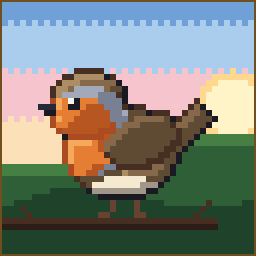

No.081 · Birds · Very rare
Dotterel
Charadrius morinellus
A tame, round-eyed mountain plover; the female is the brighter bird and the male raises the chicks on the high plateau.
When to look
May to July, mostly at dawn and day.
- J
- F
- M
- A
- M
- J
- J
- A
- S
- O
- N
- D
Time of day
- Dawn
- Day
- Dusk
- Night
- Best time
- Day, May–August, on the high tops; arrivals in late April to May.
- Where in the game
- the Cairngorms (mountain)
- Size
- 20–22 cm
- Wingspan
- 57–64 cm
- Weight
- 90–145 g
- Lifespan
- Oldest ringed bird 10 years 10 months (BTO)
- Population
- An estimated 112 breeding males in the UK in the 2025 survey, down 89% from 981 in 1987/88 (RSPB); 425 males in 2011 (BTO)
- Status
- Red (UK Birds of Conservation Concern)
Diet
Insects and other invertebrates on mountain tops.
Habitat
Bare, stony summits above about 900 m.
Breeding
The male incubates 3 eggs in a scrape for 24–28 days (late May–June); chicks are led away soon after hatching (late June–July) and fledge after 25–30 days
Field signs
- A soft 'pit-pit' call
- A white eyestripe forming a V on the nape
- Nesting scrapes among lichens
- Rusty belly with white band
Did you know?
- Females are the brighter sex and often mate with several males, leaving each to sit on the eggs.
- Dotterels are famously tame, which once made them easy to shoot.
- The UK breeding population fell from an estimated 981 males in 1987/88 to 112 in 2025, and the RSPB warns it could become the first UK bird lost to climate change.
Moments worth waiting for
- Male on the nest
The male dotterel crouches motionless on a lichen-covered scrape, rusty breast flush against the stones.
Photo tip
Shoot only from a distance with a long lens. You may need a long, early hike, so check weather and follow the Scottish Outdoor Access Code.
Be a good naturalist
This is one of Britain's most threatened breeding birds. Do not search for nests, keep to paths, and never approach an incubating bird. If a bird seems tame, back away.
The law
Schedule 1 of the Wildlife and Countryside Act 1981: disturbance at or near the nest is an offence.