Nature notes ·
What to feed garden birds in winter, and what to leave out
The short answer
Black sunflower seeds or sunflower hearts are the best all-round food for garden birds in winter. Add peanuts in a feeder, suet or fat, and mealworms for robins and blackbirds. Leave out salted food and cooked scraps, clean your feeders every week, and keep a shallow dish of fresh water out. The BTO says to feed seeds and peanuts from November to April.
What is the best food for garden birds in winter?
If you only buy one thing, make it black sunflower seeds or sunflower hearts. The BTO says these are the staple for most people who feed birds. Hearts cost more but leave no husks on the ground. Greenfinches and tits like the black seed in particular.
After that, the BTO and RSPB both list the same few things:
- Peanuts. Good quality ones, in a feeder. The RSPB says to buy peanuts guaranteed free of aflatoxin, a fungus that can kill birds, and the BTO says to bin any that show mould.
- Nyger seed. Goldfinches like it, but the BTO says it needs a specially made feeder.
- Suet and fat. The RSPB lists lard and beef suet. The BTO says long-tailed tits go for peanut cake, and that woodpeckers and treecreepers will take fat pushed into cracks in bark.
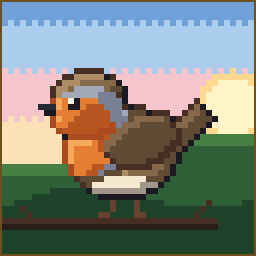
- Mealworms. The BTO says robins, blackbirds and wrens like live ones. The RSPB says to soak dried mealworms in water first.
- Fruit. Bruised apples and pears (RSPB), windfall apples (BTO), and sultanas soaked in water for ground-feeding blackbirds (BTO).
- A little mild cheese. The BTO says finely grated mild cheese is useful in winter.
Cheap seed mixes are padded with cereal, which the BTO says mostly suits sparrows and pigeons. If you want more than house sparrows and pigeons, buy a better mix or buy the seeds separately.
What not to feed garden birds
The RSPB's list is short:
- Salted foods. They dehydrate birds.
- Cooked food. It can attract rats.
- Loose peanuts. Use a suitable feeder so birds take small pieces.
- Dry, hard food or bread in spring or summer. Young birds can choke on it.
- Mesh bags. The RSPB says these can trap birds' feet, and woodpeckers can get caught by the beak. Use a proper feeder.
One more from the BTO: grapes, raisins, sultanas and currants are potentially poisonous to dogs, so keep them off the lawn if you have one.
When to feed, and when to stop
The BTO says to feed seeds and peanuts from November to April. The RSPB says the same thing the other way round: from the beginning of May to the end of October, stop filling feeders with seeds and peanuts because of the higher disease risk. Mealworms and suet can go out all year, though the RSPB says to buy heat-resistant suet in hot weather, as homemade fat balls spoil.
It's October, so now is a good time to scrub the feeders and put them out.
Who eats what
The BTO matches food to birds like this. Robins, blackbirds and wrens go for live mealworms. Blackbirds on the ground take soaked sultanas. Dunnocks, which have fine bills, take pinhead oats, but the BTO says not to leave them out in wet weather. Greenfinches and tits go for black sunflower seeds, and goldfinches for nyger.
How to keep feeders clean
Dirty feeders spread disease. The BTO says finch trichomonosis has hit greenfinches and chaffinches, and that the drop in adult survival was bigger in gardens, which fits spread at feeding stations. The RSPB's advice:
- Clean feeders every week with a mild disinfectant and hot water. Rinse well and dry before refilling.
- Clear up under feeders regularly.
- Don't leave food out for more than a day or two.
- Skip flat bird tables, because contaminated food collects on them.
- Move feeders to a different spot, ideally weekly, so droppings don't build up.
- Hang them out of reach of cats, and a couple of metres from a bush so small birds can dive for cover if a sparrowhawk comes.
- Store food in a cool, clean, rodent-proof bin.
If you see sick or dead birds, the BTO asks you to report them to the Garden Wildlife Health project.
Water matters as much as food
The RSPB says birds need water for drinking and bathing, and that natural supplies are scarce in winter. Seed-eaters drink more because their food is dry.
- Keep it shallow: 2.5 cm to 10 cm deep, with sloping sides and a rough surface so birds can grip.
- Rinse the bath daily and refill with fresh water. Scrub it once a week with a non-toxic disinfectant, outdoors, with gloves.
- In frost, float a light ball on the water, since even a breeze keeps a patch ice-free. Hot water melts ice.
- Never add glycerine, antifreeze or salt. They can damage feathers and be toxic.
Can you feed waxwings?
Sometimes. The Wildlife Trusts say waxwings prefer rowan and hawthorn berries, but they can be attracted to a garden with hung-up apples. They eat red berries first, then orange, then yellow or white. Waxwings are not a regular garden bird, and in some winters hardly any arrive. Our note on when waxwings come and where to find them explains the timing.
A simple winter set-up
You don't need much. One feeder of sunflower hearts, one of peanuts, a ground tray or a handful of mealworms for robins and blackbirds, and a shallow dish of fresh water. Wash it all weekly. Blue tits and goldfinches are among the birds that use these foods.
Quick questions
What is the best food for garden birds in winter?
The BTO says most people use black sunflower seeds and sunflower hearts as their staple. Quality peanuts, nyger seed and high-energy seed mixes are also good, and the RSPB adds lard, beef suet and bruised apples and pears.
What should you not feed garden birds?
The RSPB says to avoid salted foods, which dehydrate birds, and cooked food, which can attract rats. It also says not to put out loose peanuts, and never to use mesh bags, which can trap birds' feet and beaks.
When should you stop feeding garden birds?
You don't have to stop altogether. The RSPB says to stop filling feeders with seeds and peanuts from the start of May to the end of October because of the higher disease risk. Mealworms and suet are fine all year, and the BTO says to feed seeds and peanuts from November to April.
Can you feed waxwings in your garden?
Sometimes. The Wildlife Trusts say waxwings prefer rowan and hawthorn berries but can be attracted with hung-up apples.
How often should you clean bird feeders?
Every week, says the RSPB, with a mild disinfectant and hot water. Rinse well and dry before refilling. The BTO also suggests cleaning the ground underneath.
The animals in this note


What else is about: October · November · December · January · February · March